

Head through the bustling streets of central Hackney today, dodging the multiple roadworks and abandoned Lime Bikes; past the Iceland and Paddy Power; and the beautifully restored Hackney Empire. Take a right and you’ll find yourself in London Fields, a bustling hub for Hackney’s hipsters.
Along side the park, which on a hot weekend fills with young people guzzling craft beer, is Broadway Market. It’s bursting with yoga studios, tattoo parlours, health food stores and bakeries selling croissants for a fiver.
The reason many locals find this so extraordinary (and a bit unsettling) is that a few decades ago this broadly working class area was home to anti-capitalists, feminists, and one of the largest communities of lesbians in Britain. And houses that now sell for over £1million, people lived in rent free.
This utopia dates back to the 1970s, which saw a huge housing crisis. People were struggling to find homes while properties stood empty. The issue of housing was a particular problem within the queer community, as they were more likely to be rejected by landlords, vilified or even beaten up in their quest for a home. Squatting was a way to address the injustice, and sort the problem of having nowhere to live.
Many women also looked to squats as an alternative way of living. Founder member of the Gay Liberation Front, Anny Brackx , was interested in the idea of communal households, where “children are the shared responsibility of the group, no gender-role system would operate, and where all would be equal...”. She found this opportunity for experimentation in London Fields.
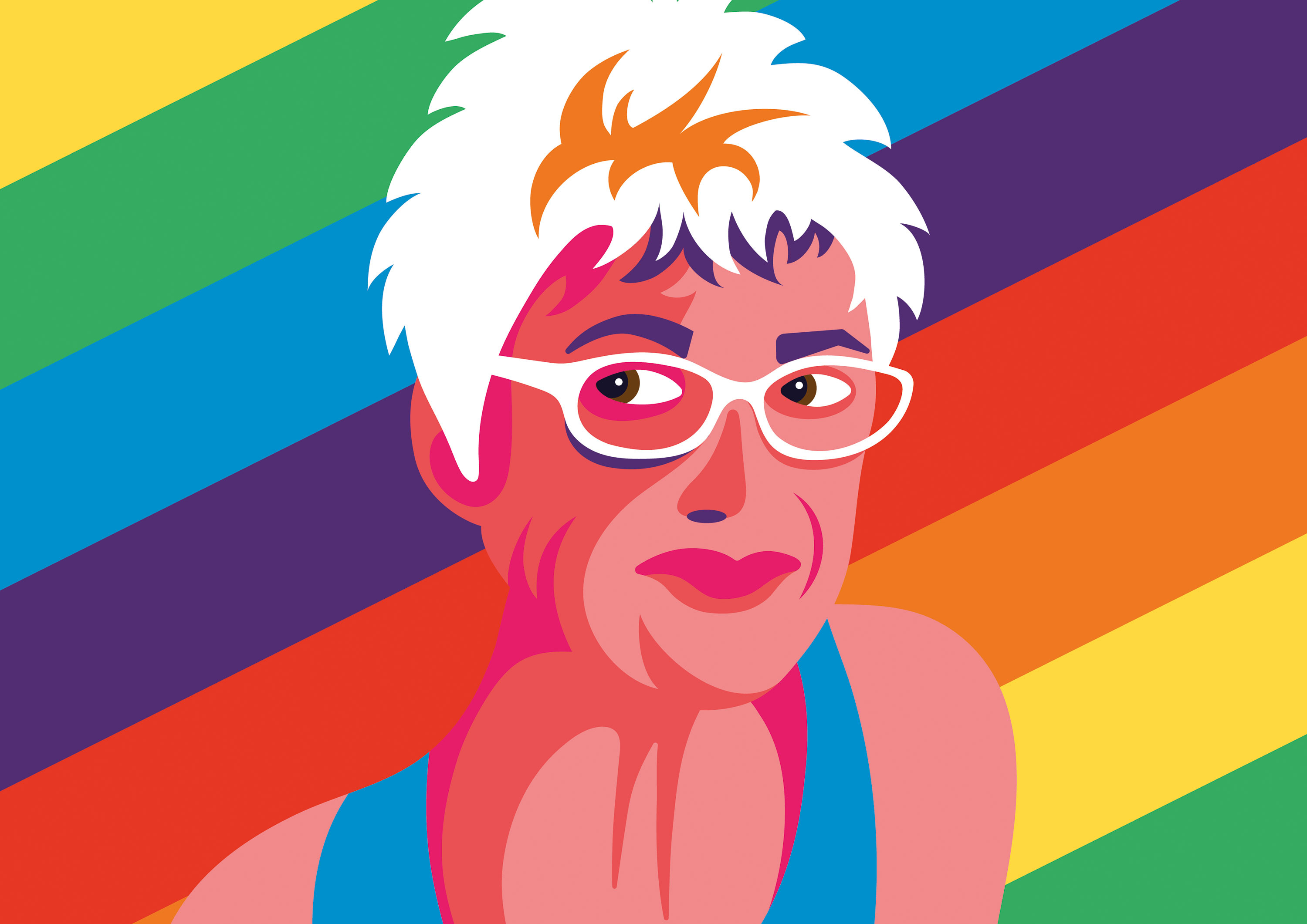
It’s estimated that there were 50 women-only households around the streets behind Broadway Market, including one street with seven women’s squats. Although not all were lesbian households, the majority were.
It was often the local Hackney residents who told lesbians when a house was going to become empty – they didn’t want a neglected property next door as it might become overrun with rats and contribute to the dereliction of the street. Lesbians were recognised as a group who repaired houses and got them back on their feet.
Some women put the empty properties to communal use, setting up nurseries and food cooperatives. From these squats they organised other political campaigns, including around child benefit and sexual health. The squats also became creative hubs, with lesbian bands, poetry and photography clubs, and a hockey match every Sunday in the park.
While a mecca for many, the squats could be a precarious place for lesbian mothers. One woman lost custody of her daughter to her male ex-partner, after he used the fact she lived in a lesbian squat as evidence of being an unfit mother.
Since the 70s, squatters rights have been steadily dismantled. In 2012 it became a criminal offence to squat a residential property, with police given powers to evict without a court order. While you can still squat non-residential properties - which a group did in 2024 when they took over Gordon Ramsay’s empty £13m pub - the introduction of live-in guardians makes even this increasingly difficult.
Historically, squats created safe havens not just for the LGBTQ community, but other oppressed groups. In Brixton there was a lively squatting scene for the black community, and the Bengali Squatters Movement took over a number of properties in East London. Squatting played a huge part in developing our thriving arts culture too. Comedian, Stewart Lee talks often about his own experiences of squatting, and how it allowed him and his friends the financial freedom to explore and develop their artistic practice.
Today the cooperatives, campaigns and lesbians are all long gone. Sadly, all replaced by flat whites, estate agents and lifestyle brands.
Learn more about Anny Brackx and the London Fields lesbian squatting scene in my forthcoming book, Great Women: the rebels who inspired other. Sign up for updates and pre-orders.